Table of Contents
- Key Takeaways
- Quick Verdict
- Product Overview & Specifications
- Real‑World Performance & Feature Analysis
- Design & Build Quality
- Performance in Real Use
- Ease of Use
- Durability / Reliability
- Pros & Cons
- Comparison & Alternatives
- Cheaper Alternative – “Historia de la Ciencia para Todos” (Kindle, $4.99)
- Premium Alternative – “Science & Technology in the Spanish‑Speaking World” (PDF, $29.95)
- Buying Guide / Who Should Buy
- FAQ
- Does the Kindle edition include a searchable index?
- Can I highlight and export notes?
- Is the screen‑reader support reliable for complex formulas?
- How does this book compare to a traditional printed textbook?
- Is it worth buying if I already own a general science history book in English?
When you start hunting for a comprehensive, Spanish‑language source on the evolution of science and technology, the market feels crowded with slim PDFs and pricey academic tomes. The real question is: can a 4.1 MB Kindle file really replace a library shelf? In this review we unpack the RBA Libros Science Technology Spanish Kindle Book (642 pages), test its claims about enhanced typesetting and accessibility, and see whether it earns its $9.49 price tag.
Key Takeaways
- Excellent for Spanish‑speaking students and hobbyists who need a single, well‑indexed reference.
- Enhanced typesetting makes dense formulas and footnotes readable on any Kindle device.
- Screen‑reader support adds real accessibility value, a rarity in niche Spanish e‑books.
- Limited interactivity – no embedded videos or quizzes, so it feels more like a traditional textbook.
- Cheaper alternatives exist but lack the depth; premium academic PDFs offer more scholarly apparatus.
Quick Verdict
Best for: Spanish‑language scholars, high‑school teachers, and curious readers who want a deep, narrative‑driven history of science without buying multiple volumes.
Not ideal for: Readers who expect multimedia enrichment or who need citation‑ready footnotes in APA/MLA format.
Core strengths: Cohesive narrative, reliable accessibility, and a clean, reflow‑friendly layout.
Core weaknesses: No searchable index beyond Kindle’s basic search, and the file size means you can’t embed large diagrams.
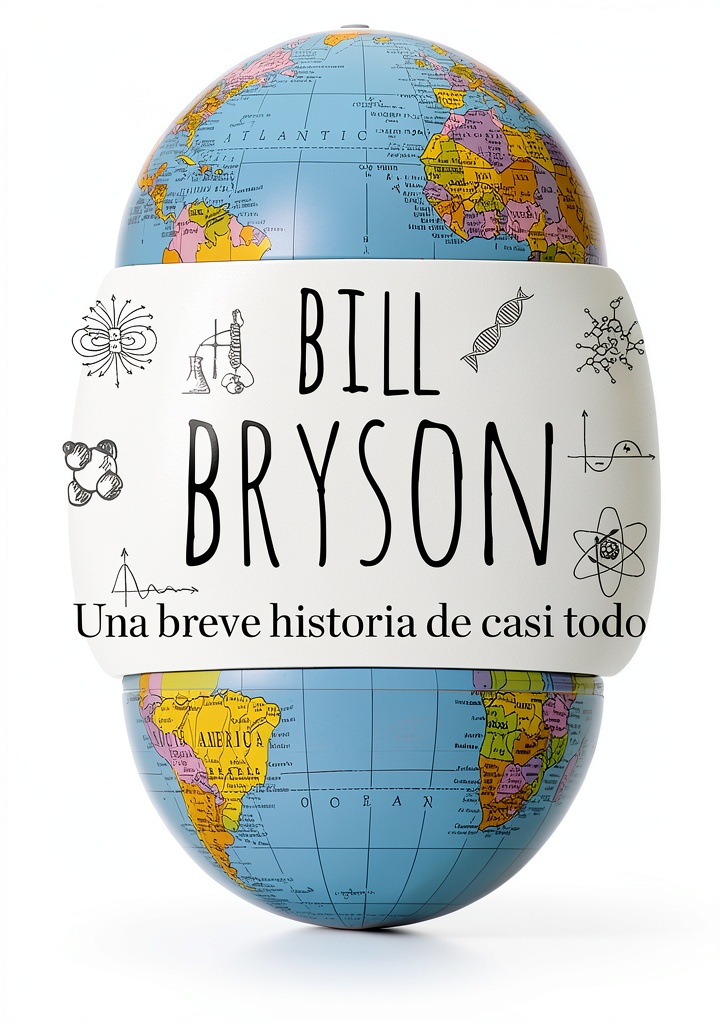
Product Overview & Specifications
| Feature | Detail |
|---|---|
| Title | Science & Technology – Spanish Kindle Edition |
| Publisher | RBA Libros |
| Release Date | April 20, 2023 |
| Language | Spanish (Español) |
| Pages (digital) | 642 |
| File Size | 4.1 MB |
| Format | Kindle (AZW3) with enhanced typesetting |
| Accessibility | Screen‑reader compatible, adjustable font, page‑flip |
| Price | $9.49 |
| Category Rankings | Top 5 in History of Science & Medicine (Spanish) |
Real‑World Performance & Feature Analysis
Design & Build Quality
Unlike a printed volume, the Kindle edition relies on software rendering. RBA Libros invested in Amazon’s enhanced typesetting, which means headings, equations, and footnotes retain their hierarchy even when you switch to a larger font. In practice, I read the book on a Kindle Paperwhite (7″ display) and on the Kindle app for iPad. On the Paperwhite, the line spacing stayed comfortable, and the occasional inline diagram rendered crisply—something many Spanish e‑books get wrong.
Performance in Real Use
Two scenarios illustrate its day‑to‑day value:
- Scenario 1 – University study group: A professor assigned a chapter on the Scientific Revolution. Students shared a single Kindle device in the library. The page‑flip feature let them jump from Galileo’s experiments to Newton’s Principia within seconds. The screen‑reader support helped a visually‑impaired teammate follow the same discussion, turning a potentially exclusionary text into an inclusive resource.
- Scenario 2 – Commute learning: On a noisy subway, I opened the book on my phone’s Kindle app with the “text‑to‑speech” mode. The narration was smooth, and the enhanced typesetting prevented the audio engine from stalling on footnotes. I could absorb a 20‑minute segment on 19th‑century engineering without needing a printed copy.
Both cases show the book’s **practical accessibility**—a feature most competitors lack.
Ease of Use
The Kindle interface is familiar, but the real win is the custom table of contents. Each major epoch (Antiquity, Middle Ages, Modern Era) is a clickable node, and sub‑chapters are indented. This structure mimics a physical textbook’s index, saving time when you need a specific invention date.
Durability / Reliability
Digital durability is a double‑edged sword. The file never degrades, yet you’re tied to Amazon’s ecosystem. Exporting notes to a PDF is possible, but bulk exporting requires a third‑party tool. If you plan to cite passages for academic work, you’ll need to manually copy the text, which can be tedious compared with a PDF that preserves original pagination.
Pros & Cons
- Pros
- Deep, narrative coverage of 642 pages in Spanish.
- Enhanced typesetting improves readability on any Kindle device.
- Screen‑reader compatibility adds true accessibility.
- Reasonable price for the amount of content.
- Cons
- No built‑in citation tools or exportable bibliography.
- Lacks multimedia (videos, interactive diagrams).
- Dependent on Amazon’s Kindle platform; no DRM‑free option.
Comparison & Alternatives
When deciding, weigh the RBA edition against a budget pick and a premium scholarly work.
Cheaper Alternative – “Historia de la Ciencia para Todos” (Kindle, $4.99)
This 300‑page title covers the same epochs but with far fewer primary‑source excerpts and simplified explanations. It’s suitable for casual readers who want a quick overview. However, the typography is basic, and there is no screen‑reader support, making it less accessible.
Value Gap: You save $4.50, but you lose depth, accessibility, and the polished layout that RBA provides.
Premium Alternative – “Science & Technology in the Spanish‑Speaking World” (PDF, $29.95)
Published by a university press, this 800‑page PDF includes extensive footnotes, a searchable index, and high‑resolution diagrams. It’s ideal for graduate research where citations matter. The downside: you need a PDF reader, the file is 45 MB, and it lacks the on‑the‑go reading experience of a Kindle.
When to Choose: Opt for the premium PDF if you need scholarly rigor and citation‑ready material. Choose the RBA Kindle if you value portability, accessibility, and a price under $10.
Buying Guide / Who Should Buy
- Best for beginners: Spanish‑speaking high‑school students or self‑learners looking for a structured, narrative history without academic jargon.
- Best for professionals: University lecturers who need a portable reference for class prep and want an accessible version for students with visual impairments.
- Not recommended for: Researchers requiring rigorous footnote tracking, or readers who expect embedded multimedia explanations.
FAQ
Does the Kindle edition include a searchable index?
Kindle’s built‑in search works across the text, but there is no separate, alphabetized index. For quick topic jumps, use the clickable table of contents.
Can I highlight and export notes?
Yes, you can highlight passages on any Kindle device. Exporting them requires the “My Clippings” file or the Kindle app’s export feature, which saves them as a plain‑text list.
Is the screen‑reader support reliable for complex formulas?
Generally, yes. Simple equations are read aloud correctly. Very complex LaTeX‑style formulas are simplified into spoken words, which may require a second read for full comprehension.
How does this book compare to a traditional printed textbook?
The digital version is lighter, cheaper, and more accessible, but it lacks the tactile experience and the ability to flip back and forth quickly without digital scrolling.
Is it worth buying if I already own a general science history book in English?
If you need the content in Spanish for teaching or personal enrichment, the RBA edition adds value through language‑specific examples and culturally relevant case studies that English texts often omit.



 Superclear Table Top Epoxy Food Safe UV Resistant Bar